
Warmer floors in winter
Insulation under the floor stops cold air from the subfloor rising into living spaces. This keeps floor surfaces noticeably warmer, which is a common complaint in Greensborough’s older homes during Melbourne’s cold winters.
Greensborough
Underfloor insulation stops cold air rising through suspended timber floors in Greensborough homes. We install bulk batts between floor joists in the subfloor to cut draughts and improve thermal comfort.
Share your details and Expert Insulation Melbourne will contact you about Underfloor Insulation in Greensborough.
Greensborough homes with suspended timber floors often suffer from cold floors and draughts rising through gaps in the floorboards. Underfloor insulation is installed between the floor joists in the subfloor, creating a thermal barrier that reduces heat loss in winter and keeps floors warmer. This is especially effective in older weatherboard and brick veneer homes common in the area.
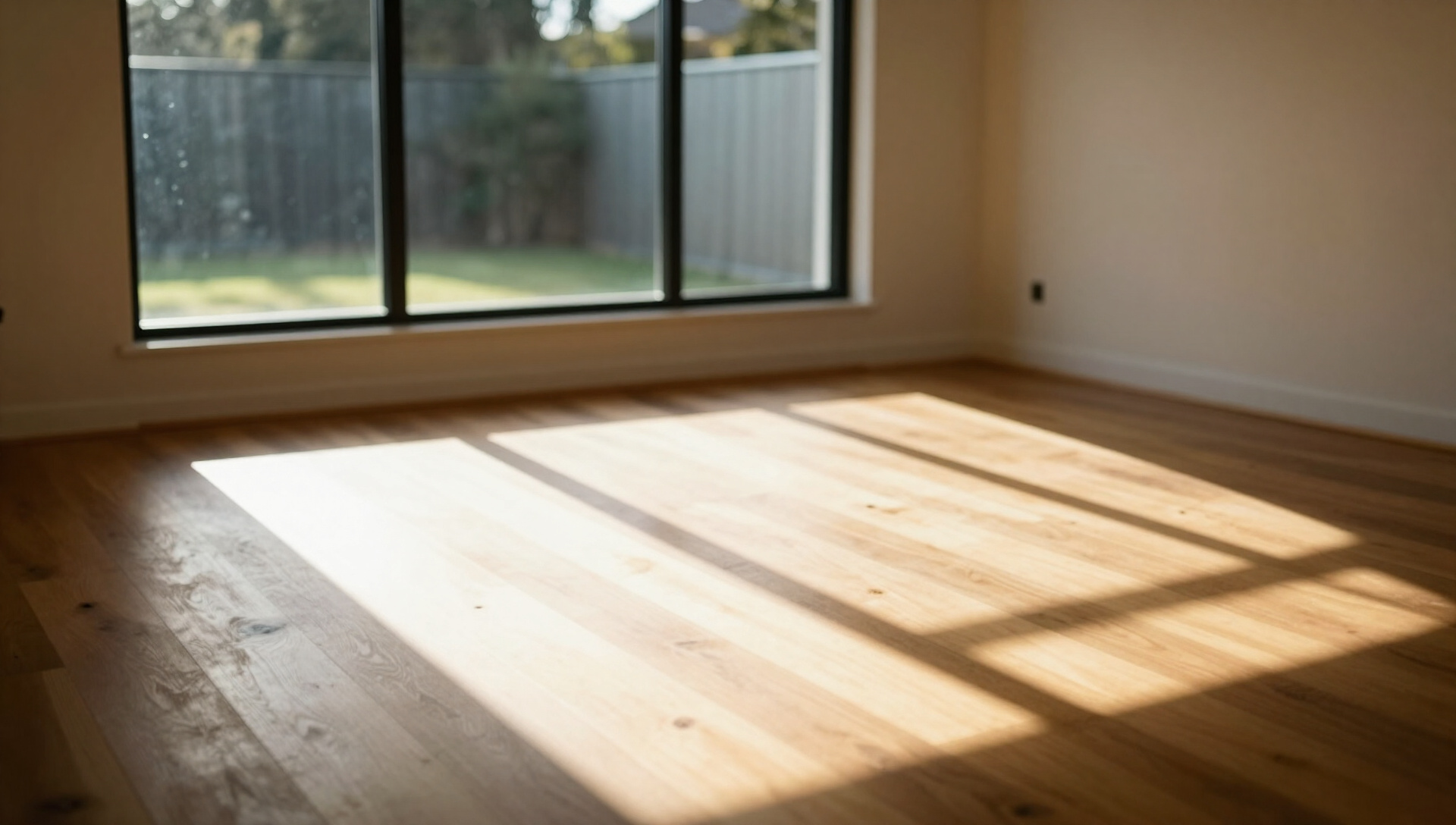
Underfloor insulation addresses the specific issues of Greensborough homes, particularly those with suspended timber floors. It provides a practical solution to cold floors and rising energy costs.
Insulation under the floor stops cold air from the subfloor rising into living spaces. This keeps floor surfaces noticeably warmer, which is a common complaint in Greensborough’s older homes during Melbourne’s cold winters.
Gaps between floorboards and around skirting allow cold air to enter. Underfloor batts block these draughts, improving comfort and reducing the load on heating systems.
By reducing heat loss through the floor, your heater runs less often. This can lead to noticeable savings on energy bills, particularly in homes with poor existing insulation.
While the main benefit is winter warmth, underfloor insulation also helps moderate temperatures in summer by reducing heat gain from the subfloor in hot weather.
Properly installed underfloor insulation helps manage moisture in the subfloor, reducing the risk of condensation that can lead to mould and timber damage over time.
Installation is done from the subfloor via access points, so there is no need to remove floorboards or disrupt the home’s interior.
Installing underfloor insulation requires access to the subfloor and careful placement of batts between joists. Here is how we complete the job in Greensborough homes.
We start by inspecting the subfloor for adequate crawl space, existing insulation, moisture issues and any signs of pest damage. Access is typically through existing vents, hatches or by lifting a section of flooring if necessary.
We measure the distance between joists and cut bulk insulation batts to fit snugly without compression. Glasswool, polyester or rockwool are common choices, with R-values typically between R1.5 and R2.5 for underfloor applications.
Batts are friction-fitted between the floor joists, ensuring full coverage with no gaps. We take care around pipes, cables and other services in the subfloor to avoid damage.
After installation, we check for any remaining gaps and seal them where possible. The subfloor is left clean, and access points are restored to their original condition.
Greensborough has a mix of older weatherboard homes and more recent brick veneer properties, many with suspended timber floors. These homes often lack underfloor insulation, leading to cold floors and higher heating costs. Our underfloor insulation service addresses this by installing bulk batts in the subfloor, improving thermal performance without disrupting the home.
Stop cold floors in Greensborough with underfloor insulation installed under suspended timber floors.
Homeowners in Greensborough often have questions about underfloor insulation. Here are answers to the most common queries.
Greensborough homes with suspended timber floors benefit significantly from underfloor insulation. Without it, cold air from the subfloor rises through gaps in the floorboards, making floors feel cold and increasing heating costs. Installing bulk insulation batts between the floor joists creates a thermal barrier that reduces heat loss and improves comfort.
The process involves accessing the subfloor, measuring the joist spacing and fitting batts snugly between them. Common materials include glasswool, polyester and rockwool, with R-values typically ranging from R1.5 to R2.5 for underfloor applications. Proper installation ensures no gaps, which is critical for effectiveness.
Underfloor insulation is particularly valuable in Greensborough due to the suburb’s older housing stock. Many weatherboard and brick veneer homes in the area were built without subfloor insulation, leading to cold floors and draughts. Addressing this with professional installation can lead to warmer homes and lower energy bills.
If your Greensborough home has cold floors, underfloor insulation can make a real difference. Contact Expert Insulation Melbourne to discuss your options and arrange a subfloor inspection.